June 1 – June 4, 2022
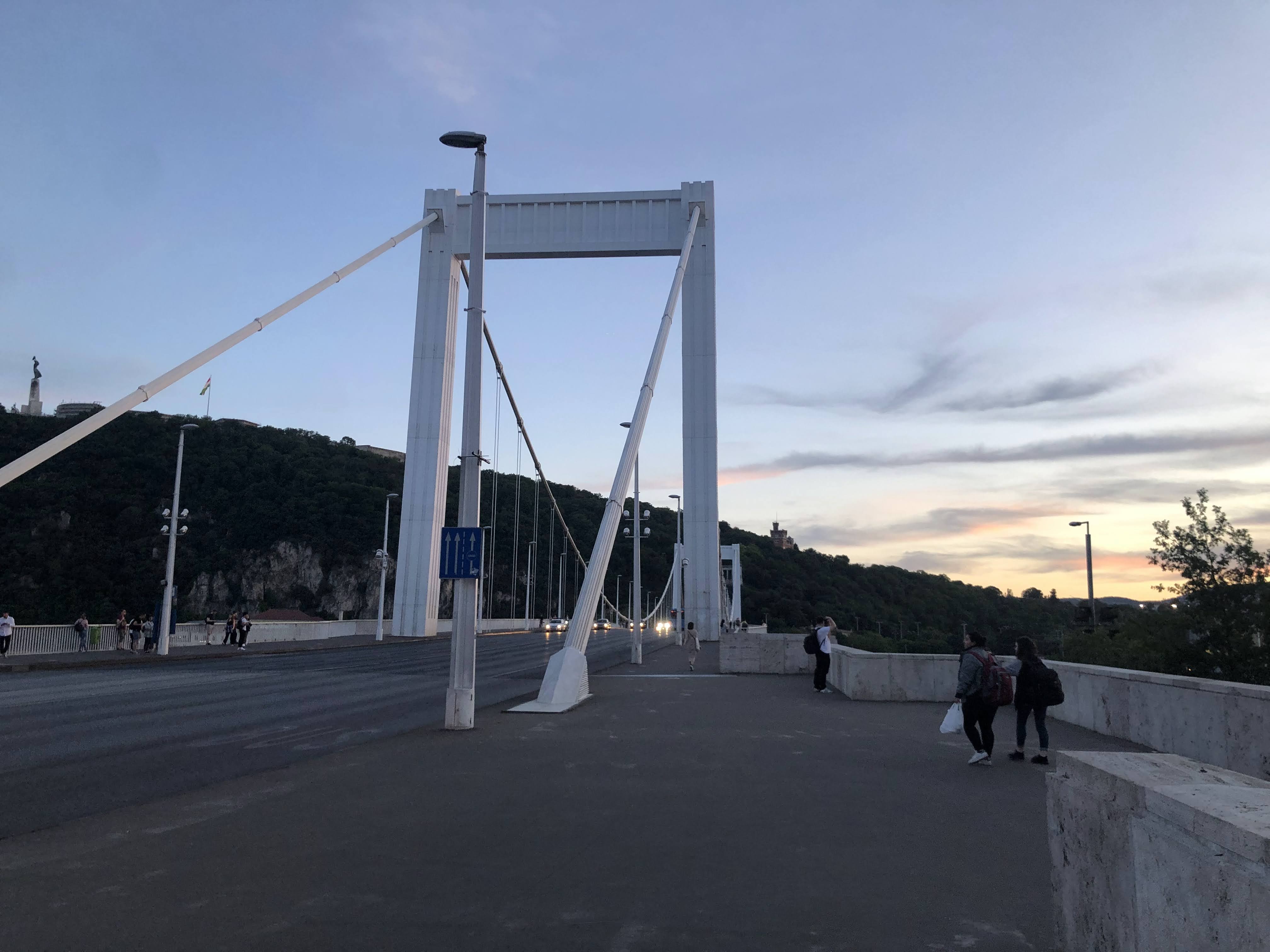
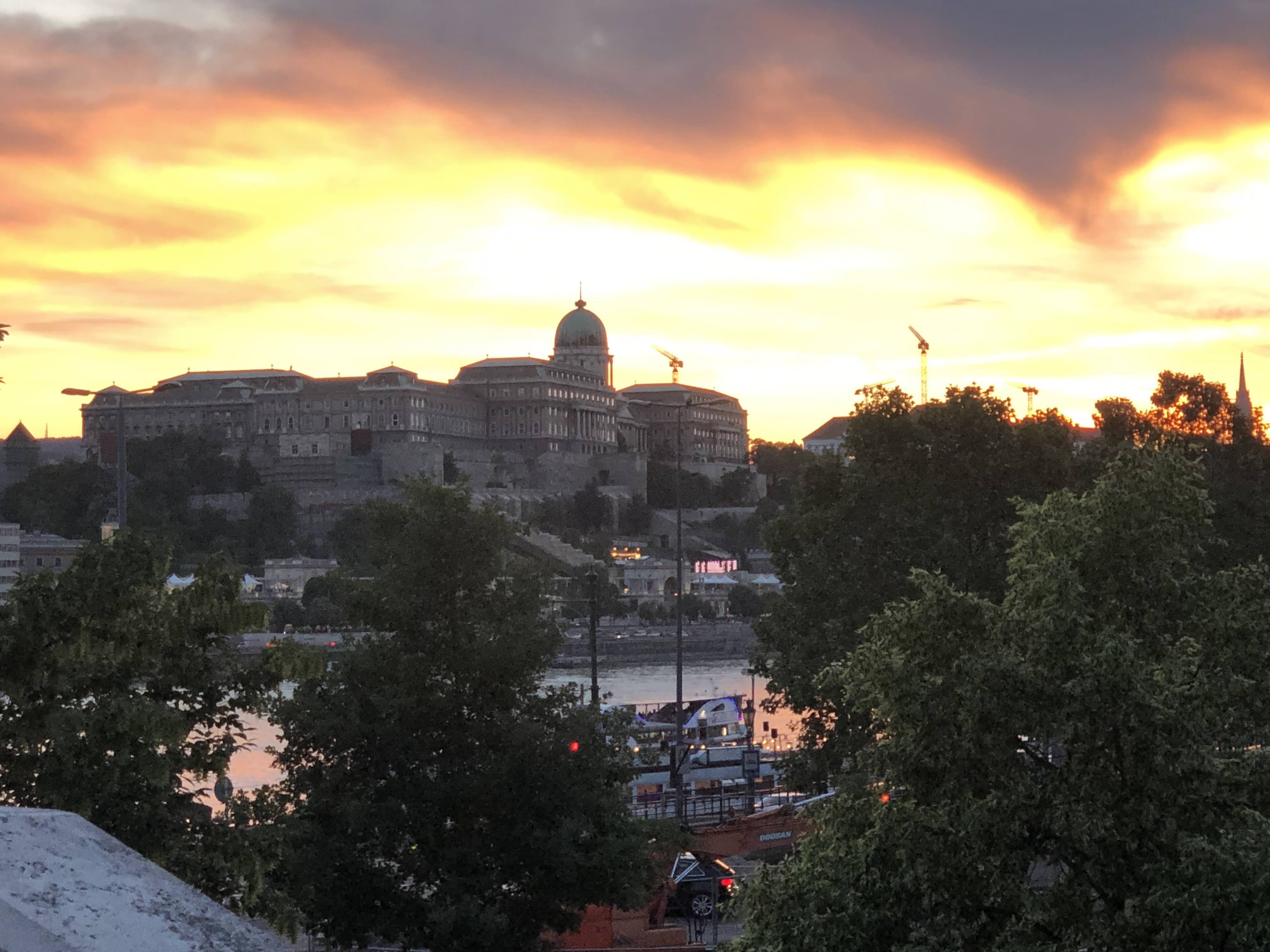
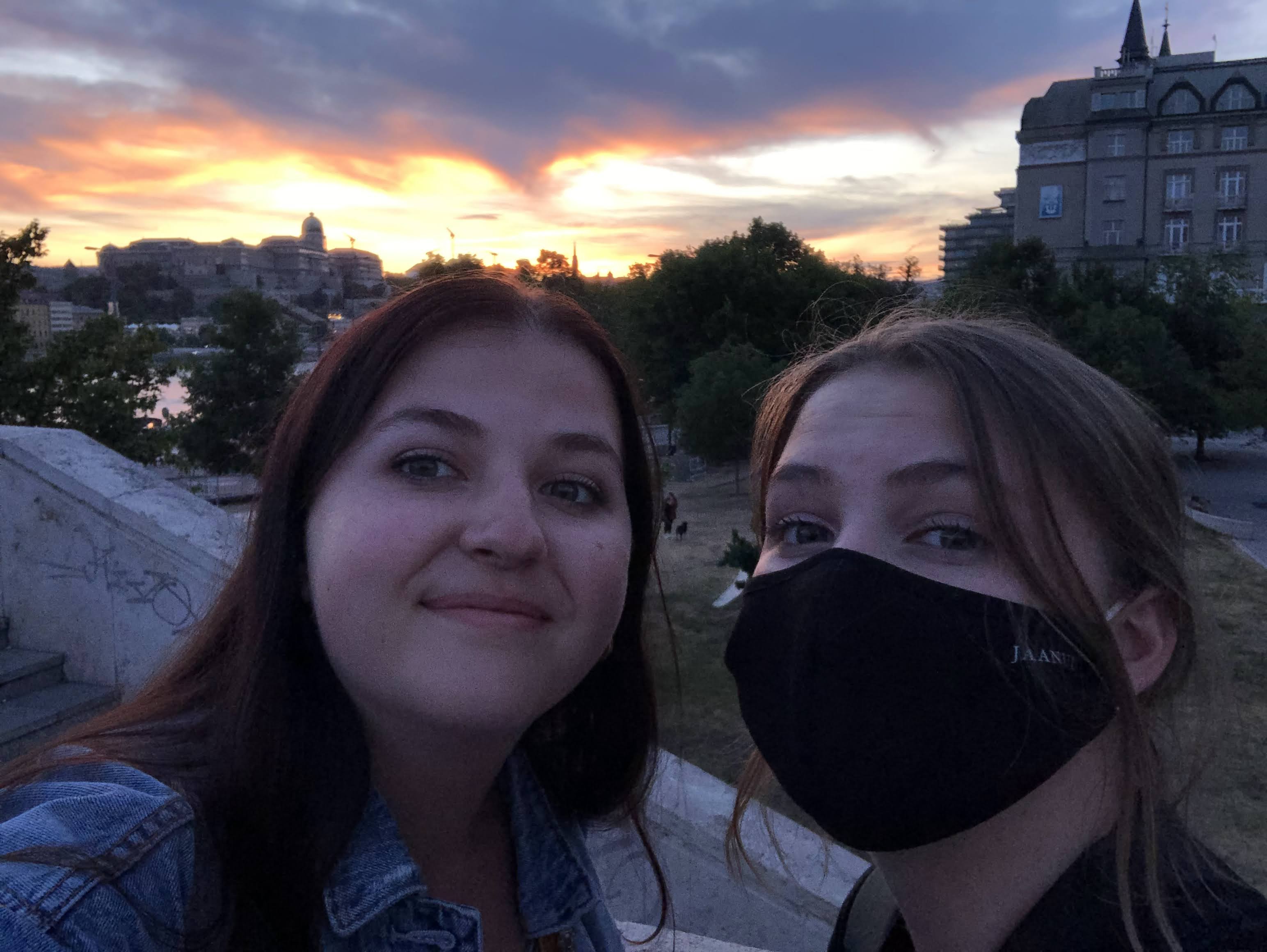
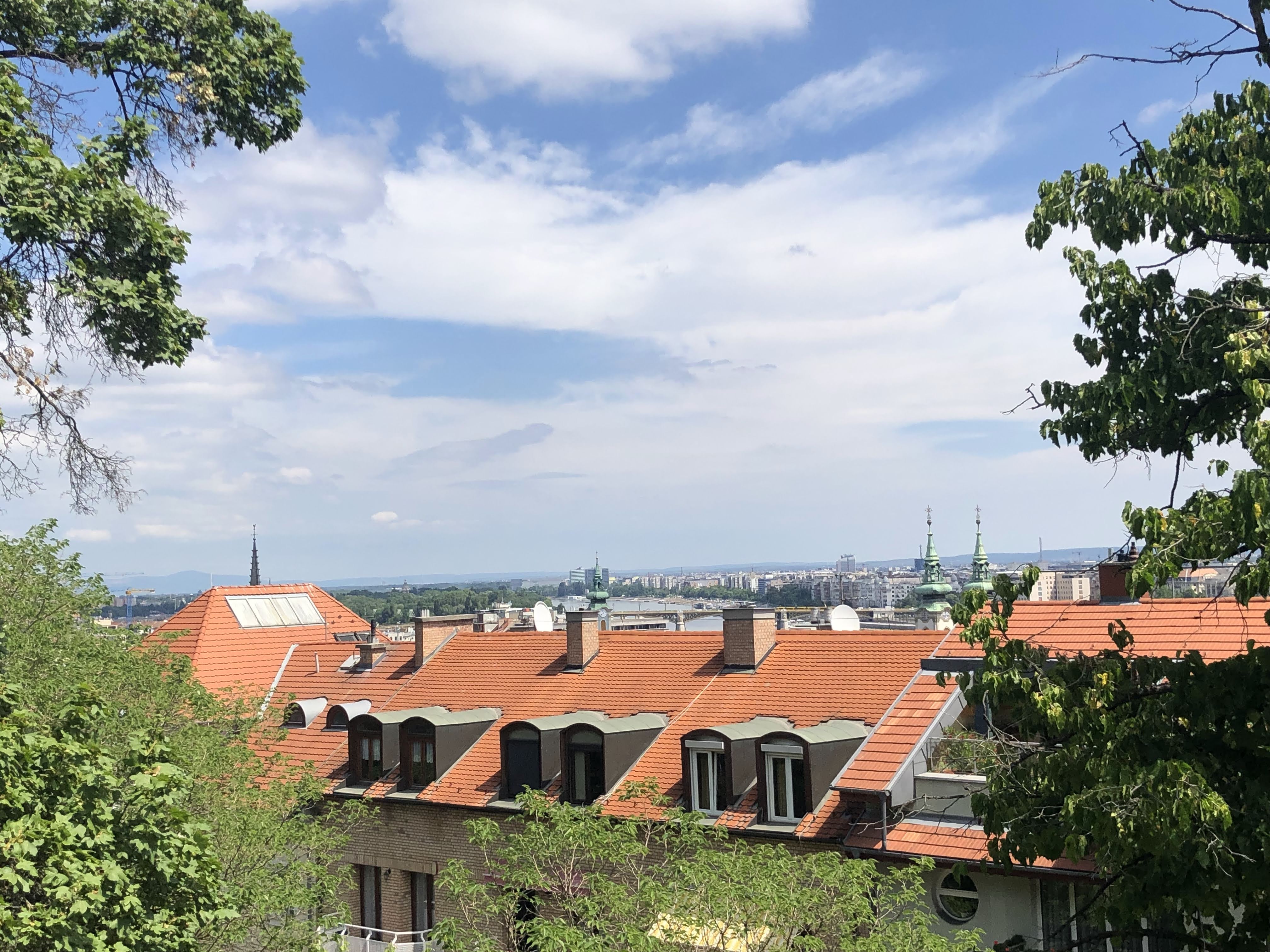
As we rolled into Budapest Central Station and transferred to a bus, Google Maps was telling us we needed to get off at the bridge and transfer to another bus. Little did we know, the bus stop just happened to be the most scenic stop of all time. The sunset looked like fire glowing behind the Buda Castle (Budavári Palota) on the opposite side of the Danube River. (Probably) quoth the crow on top of a street sign, “you’re in Budapest now, get used to it.” Everything was just charming in a sprawling way that had similarities to Prague but felt less manicured and a little more wild.

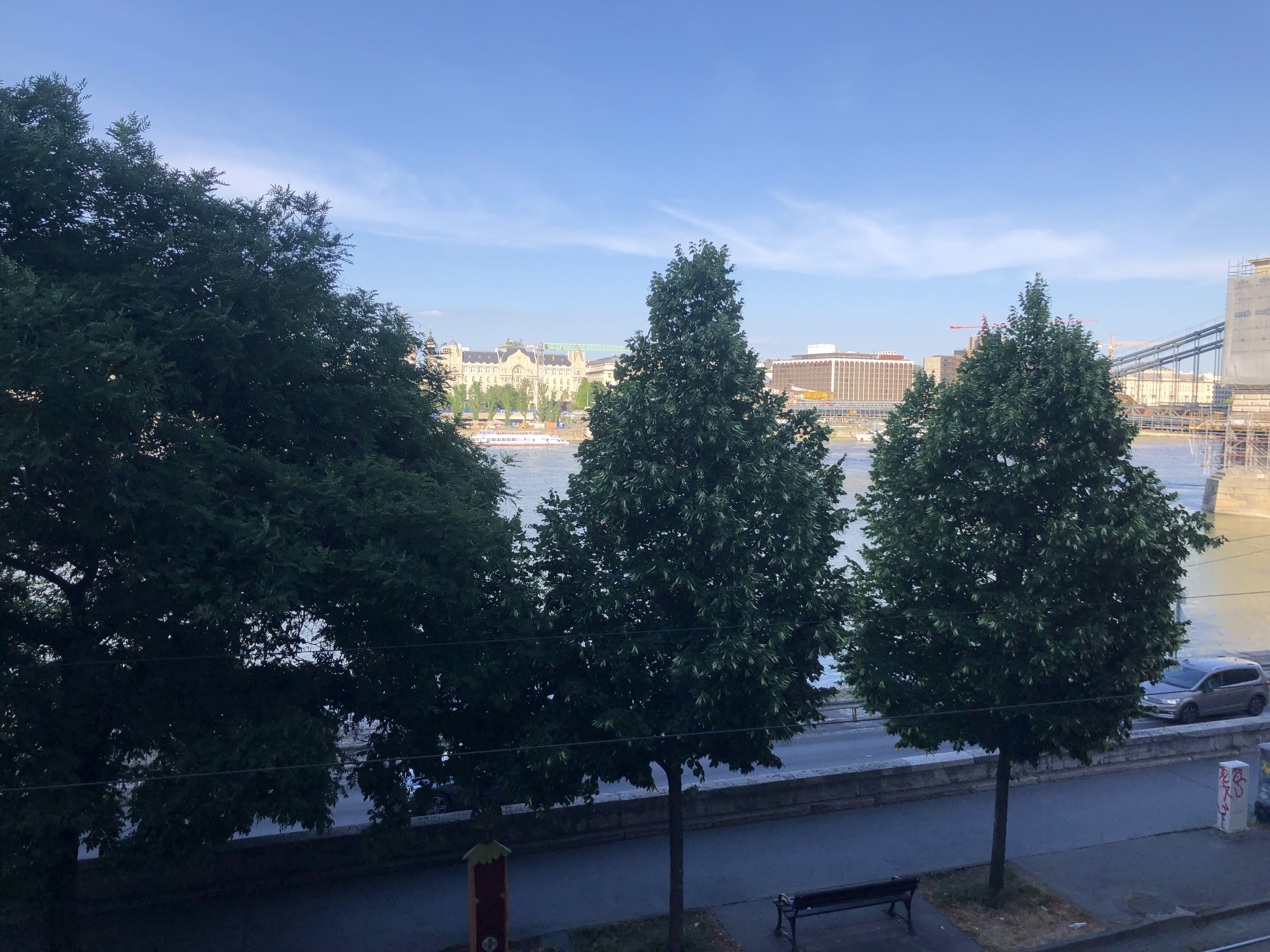
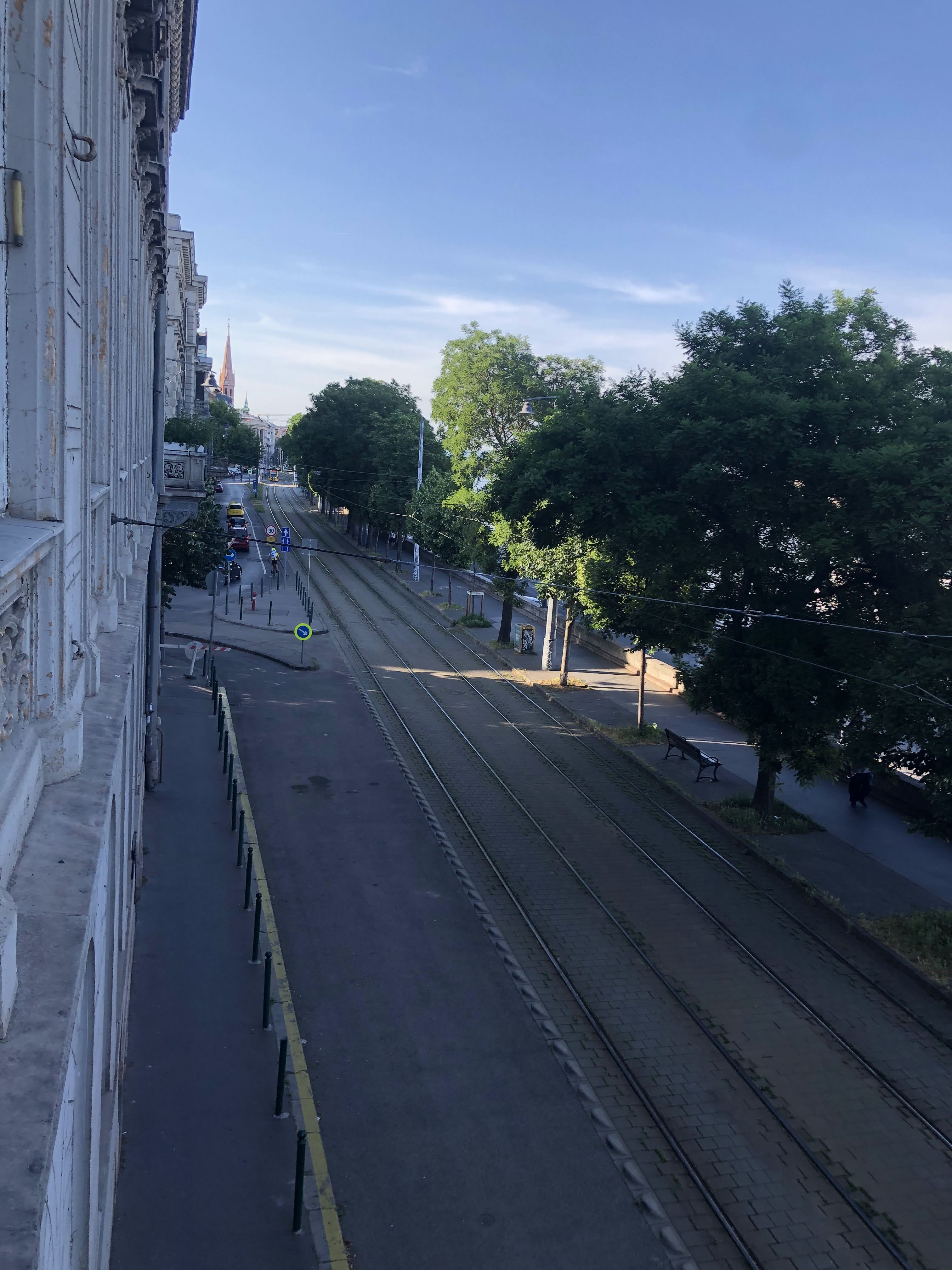
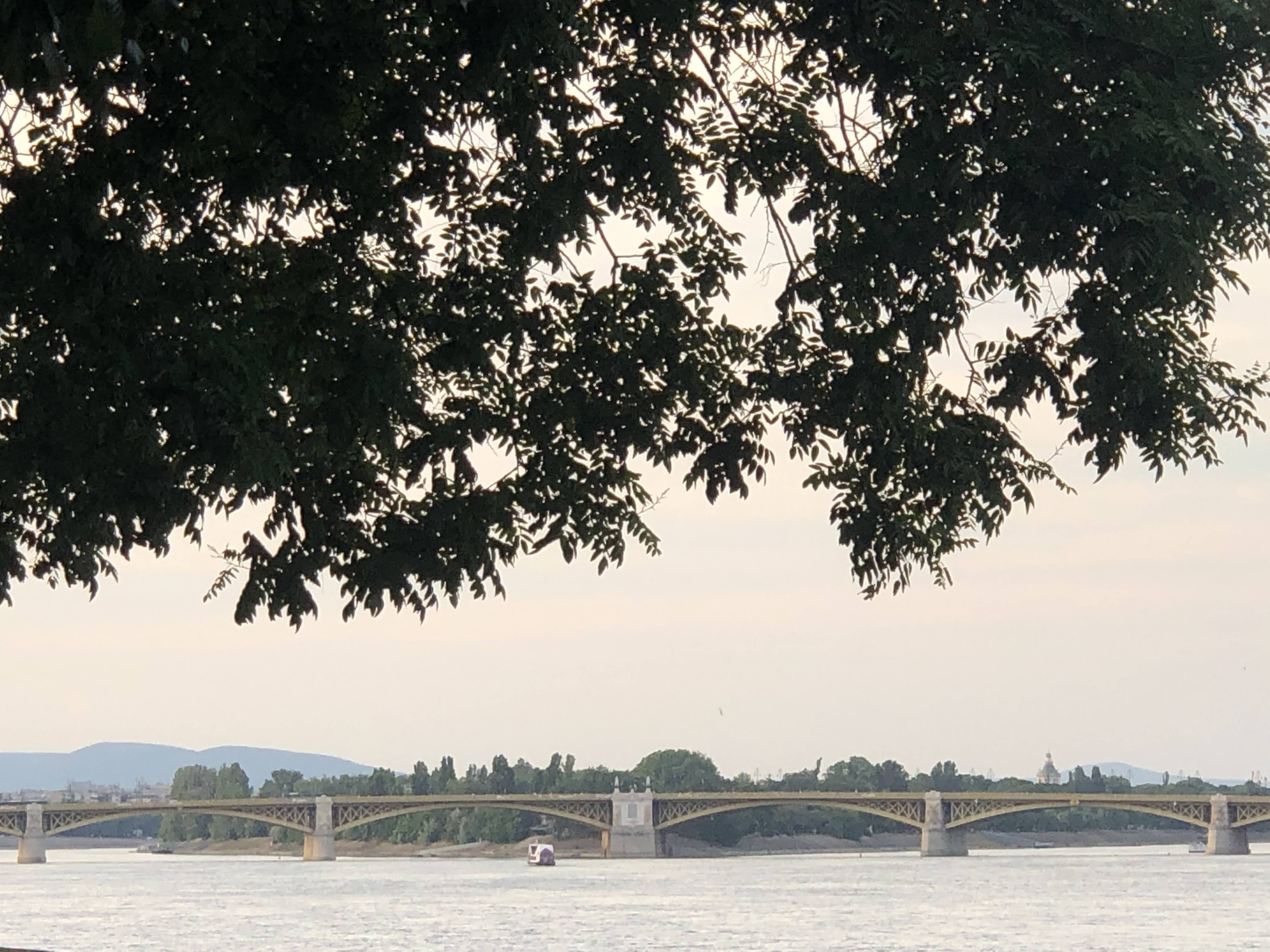
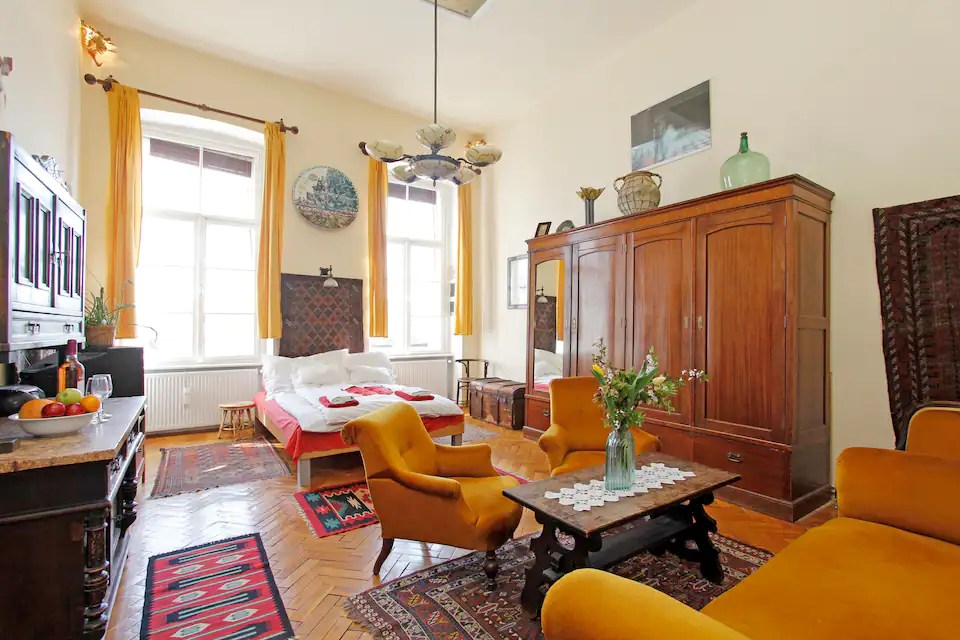
Our Airbnb was situated across the street from the Danube, and every evening, we’d open the windows to listen to the tram go by periodically, watch people come back from bars, and peep the joggers running on the riverside path.
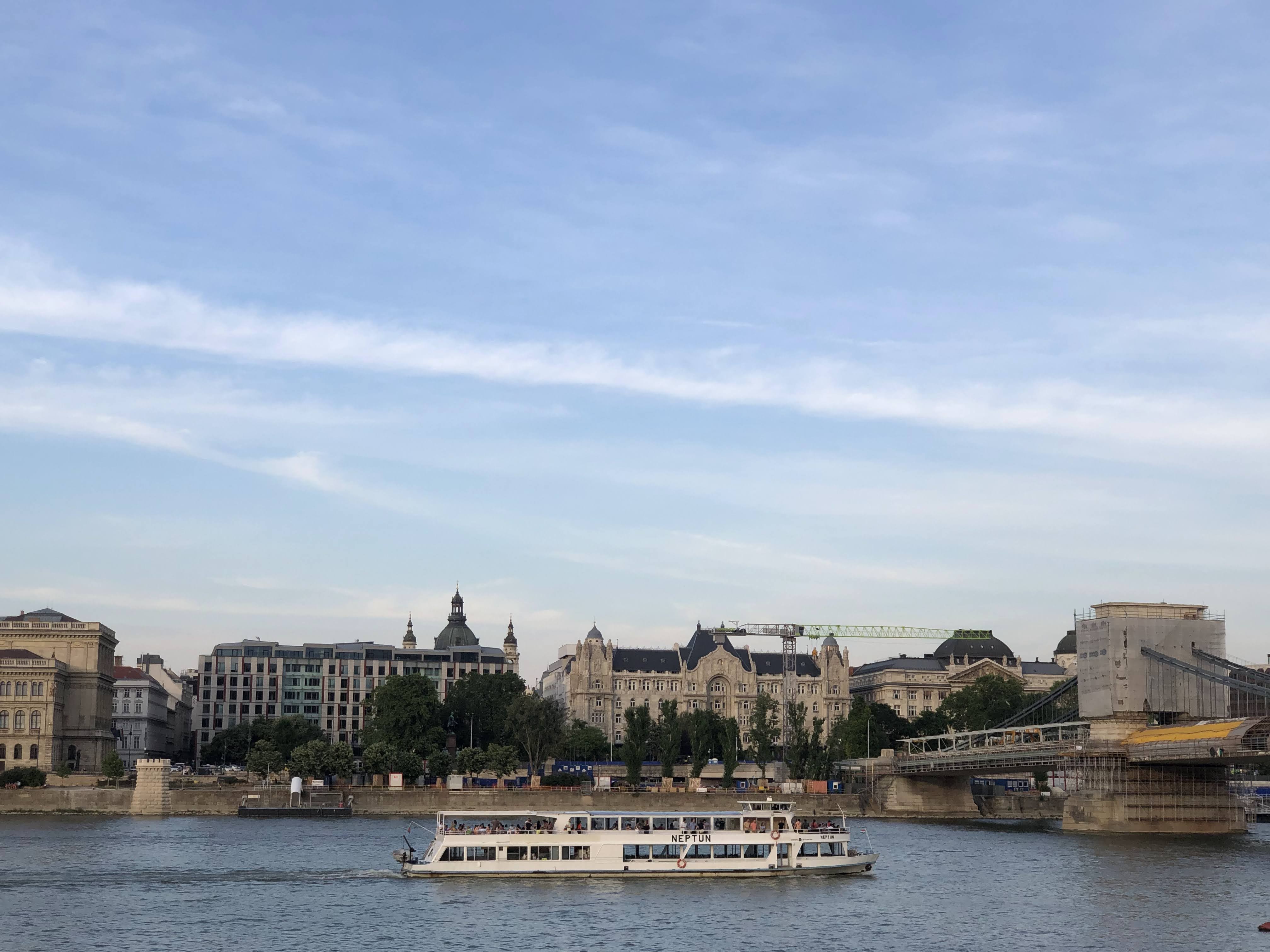
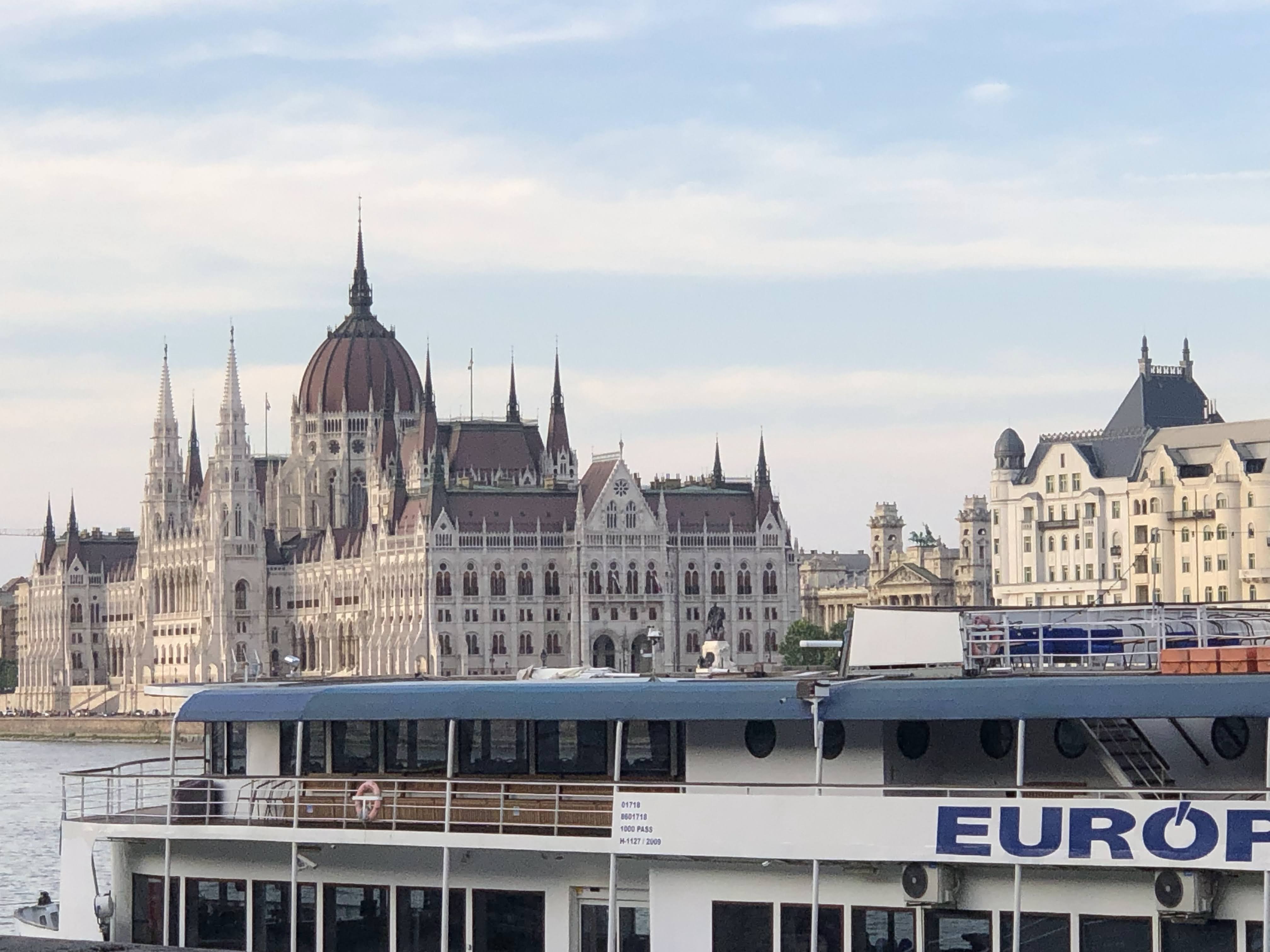
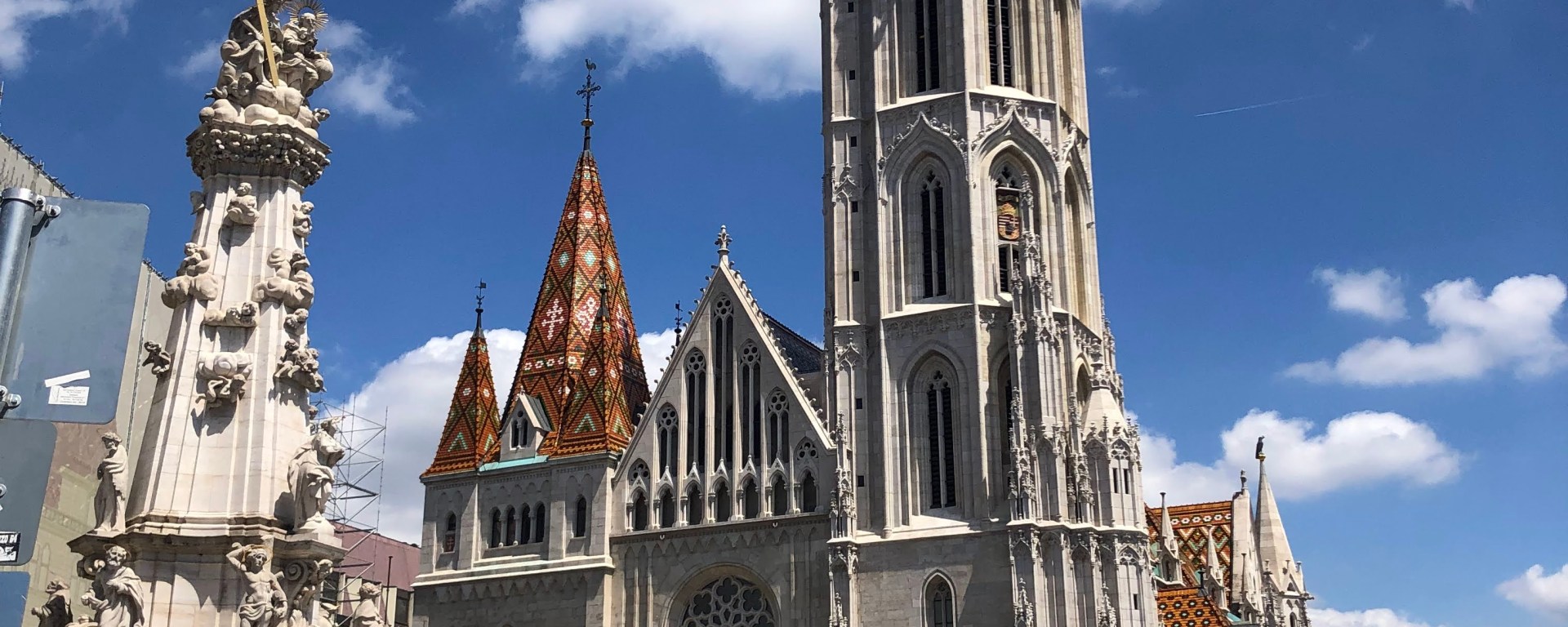
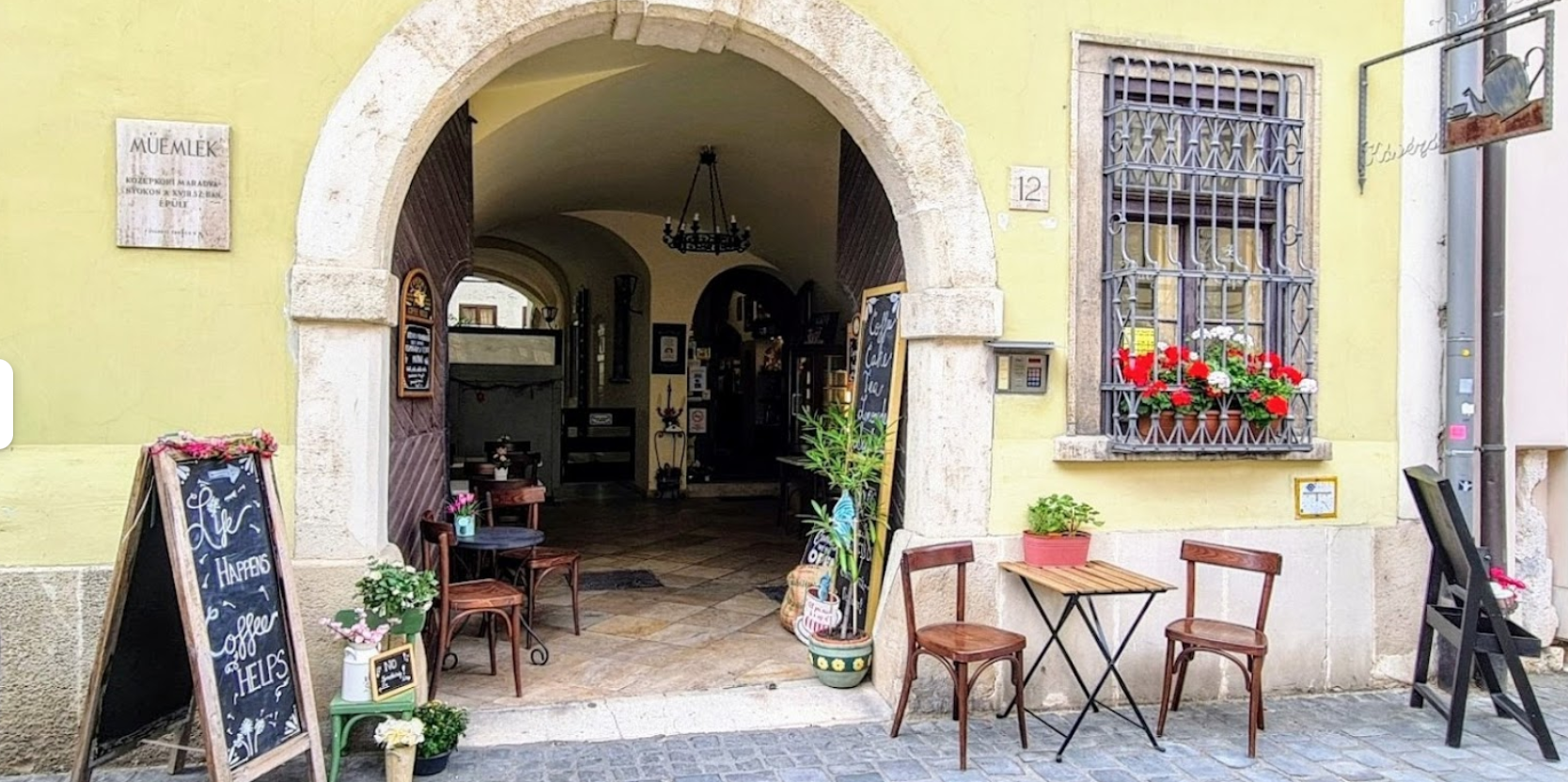
As with our time in Prague, we had the most energy and motivation to explore on our first full day, leaving the second two days for quieter sight seeing, and some chill time in the apartment. This worked out well, as it was a little hotter in Hungary than anywhere else we had been in Europe, and the hills were no joke here. We hiked up to Halászbástya (Fisherman’s Bastion) for our morning coffee at Walzer Café and took in the sights below. Halászbástya is a 19th century fortress that used to be a smaller castle with fortified walls, but has only ever served as a lookout point in its current state.

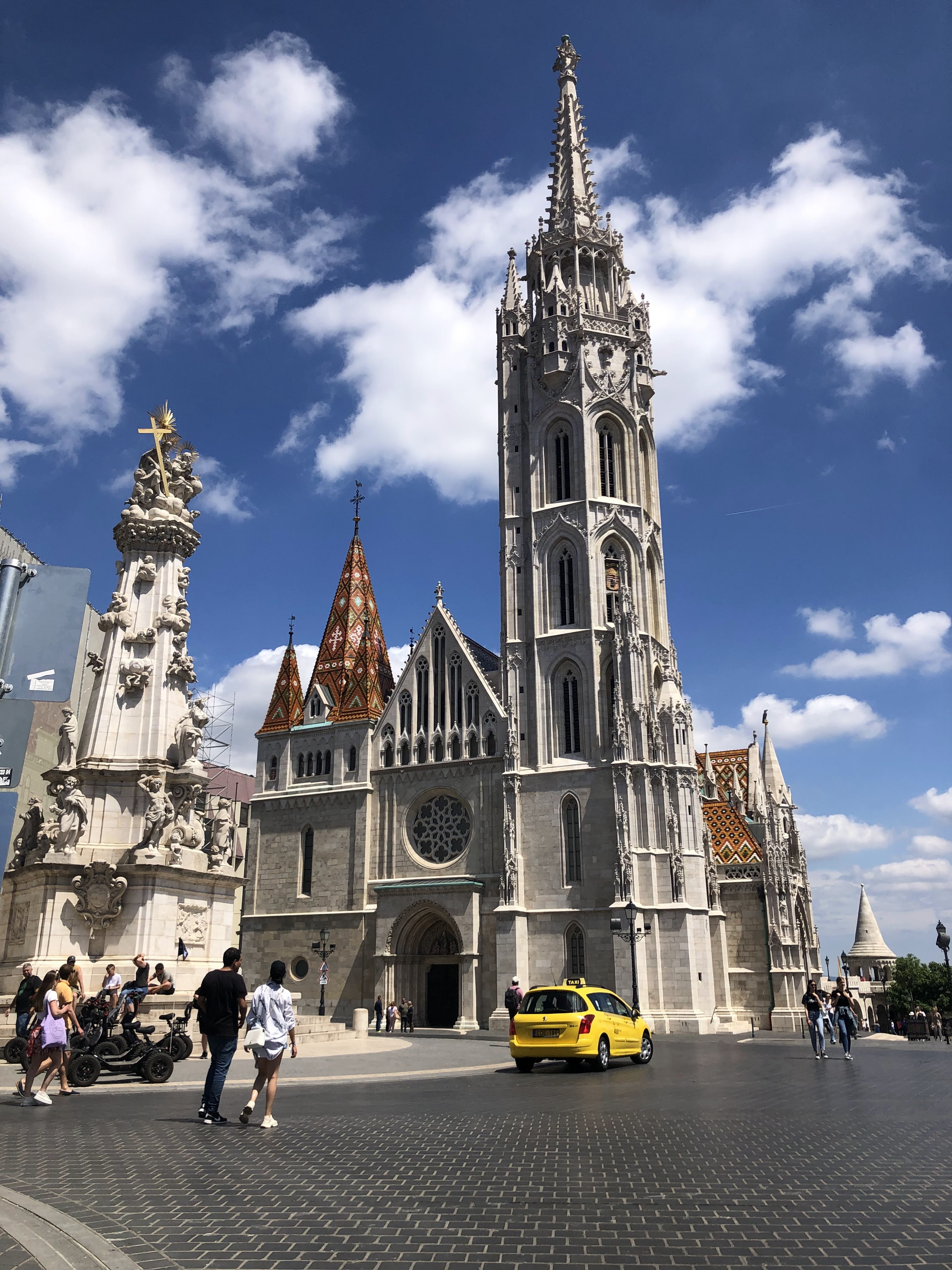
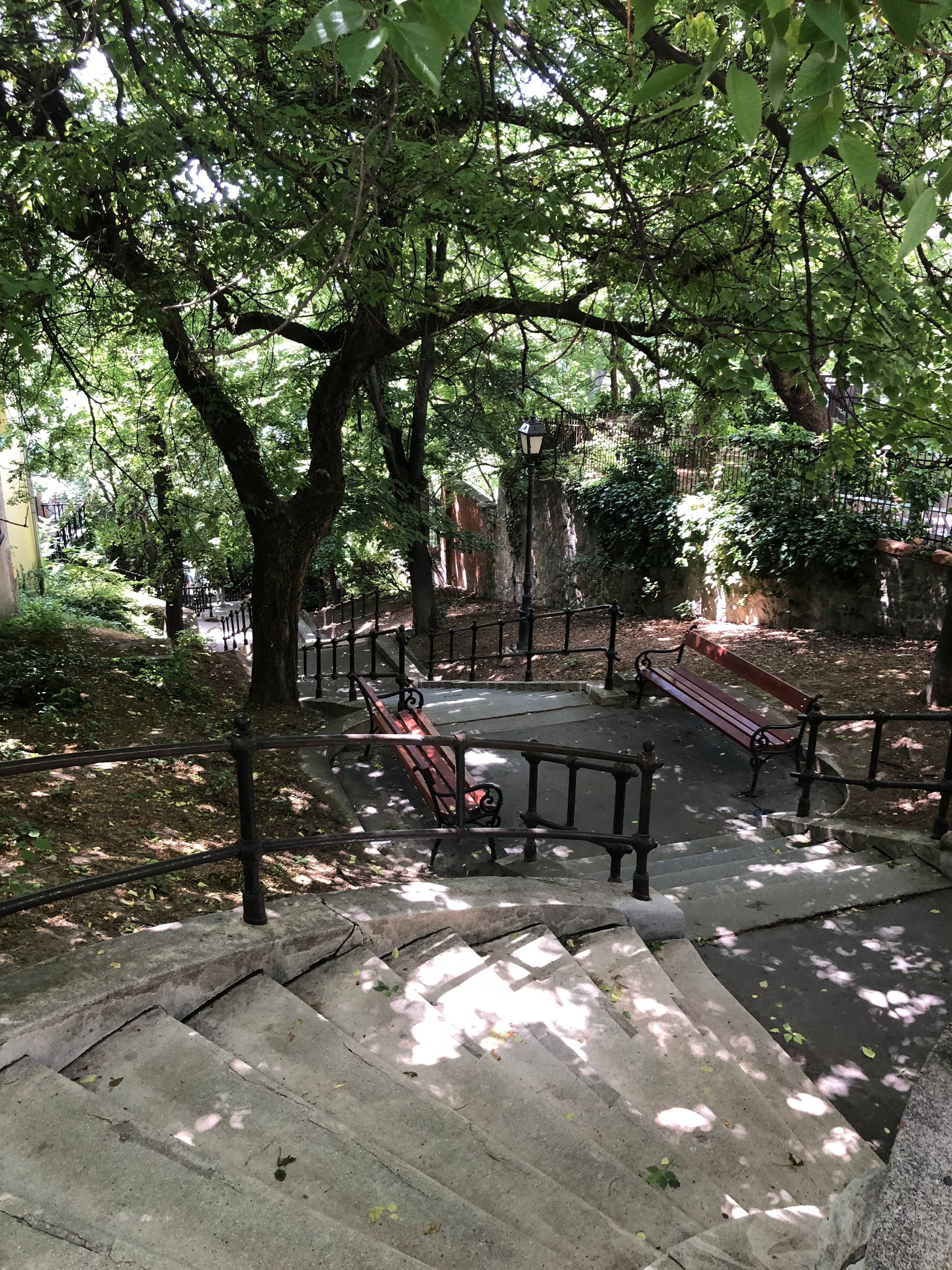
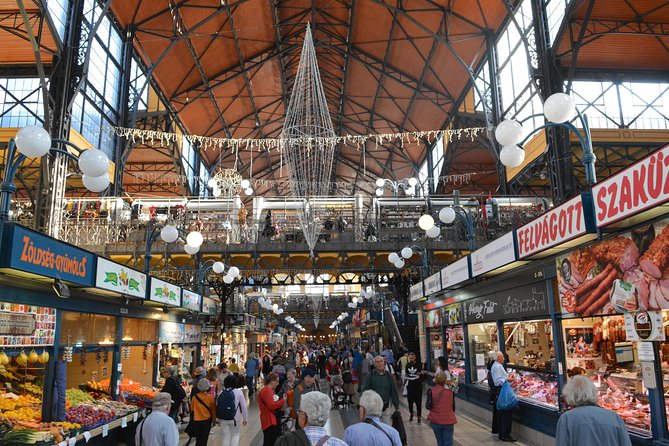
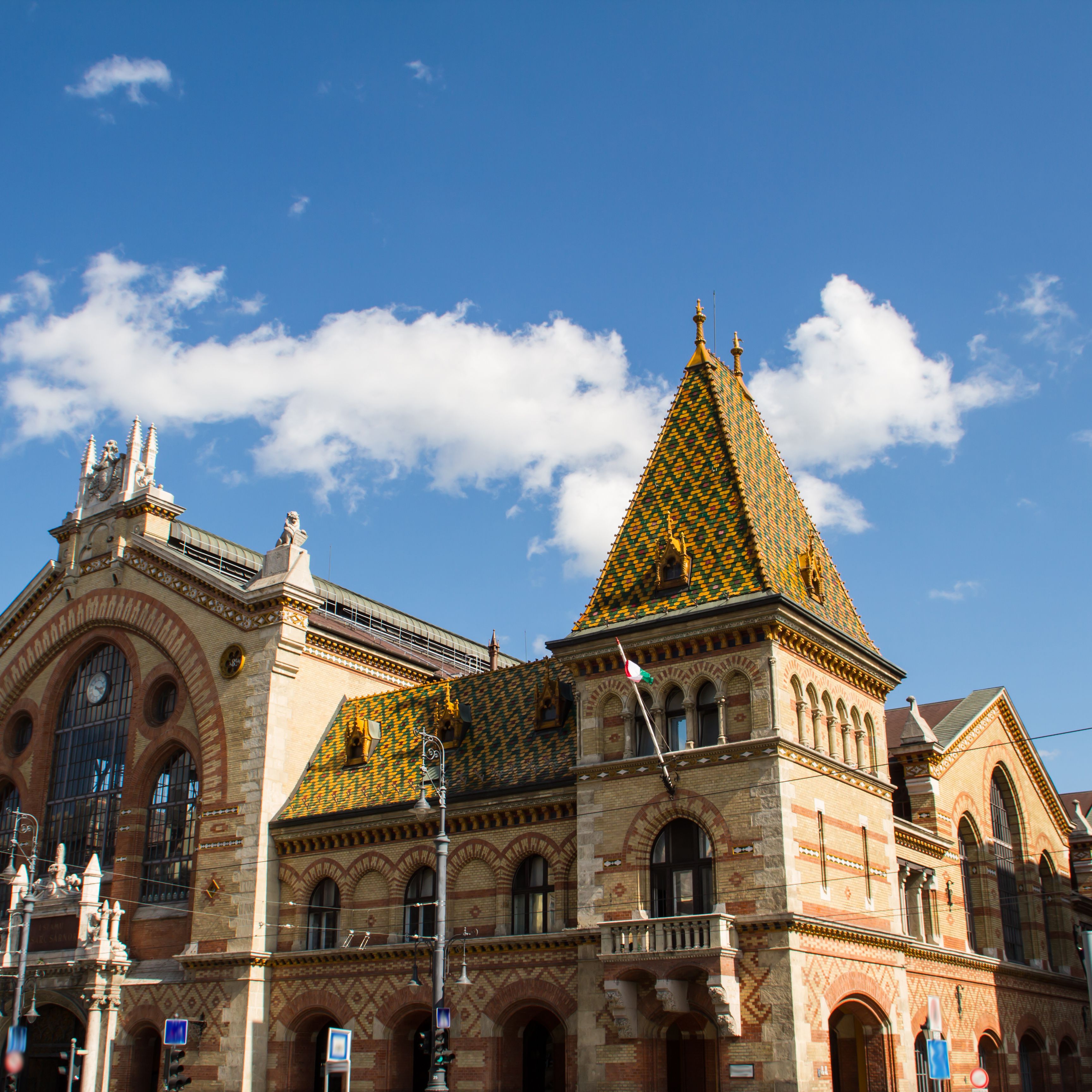
We had some solo adventures in the afternoon; Sam went exploring at the Central Market Hall (Nagycsarnok), the oldest indoor market in Hungary, built in 1897. The market has tons of fresh produce from the countryside, street food vendors, and souvenir/textile/crafts shops.
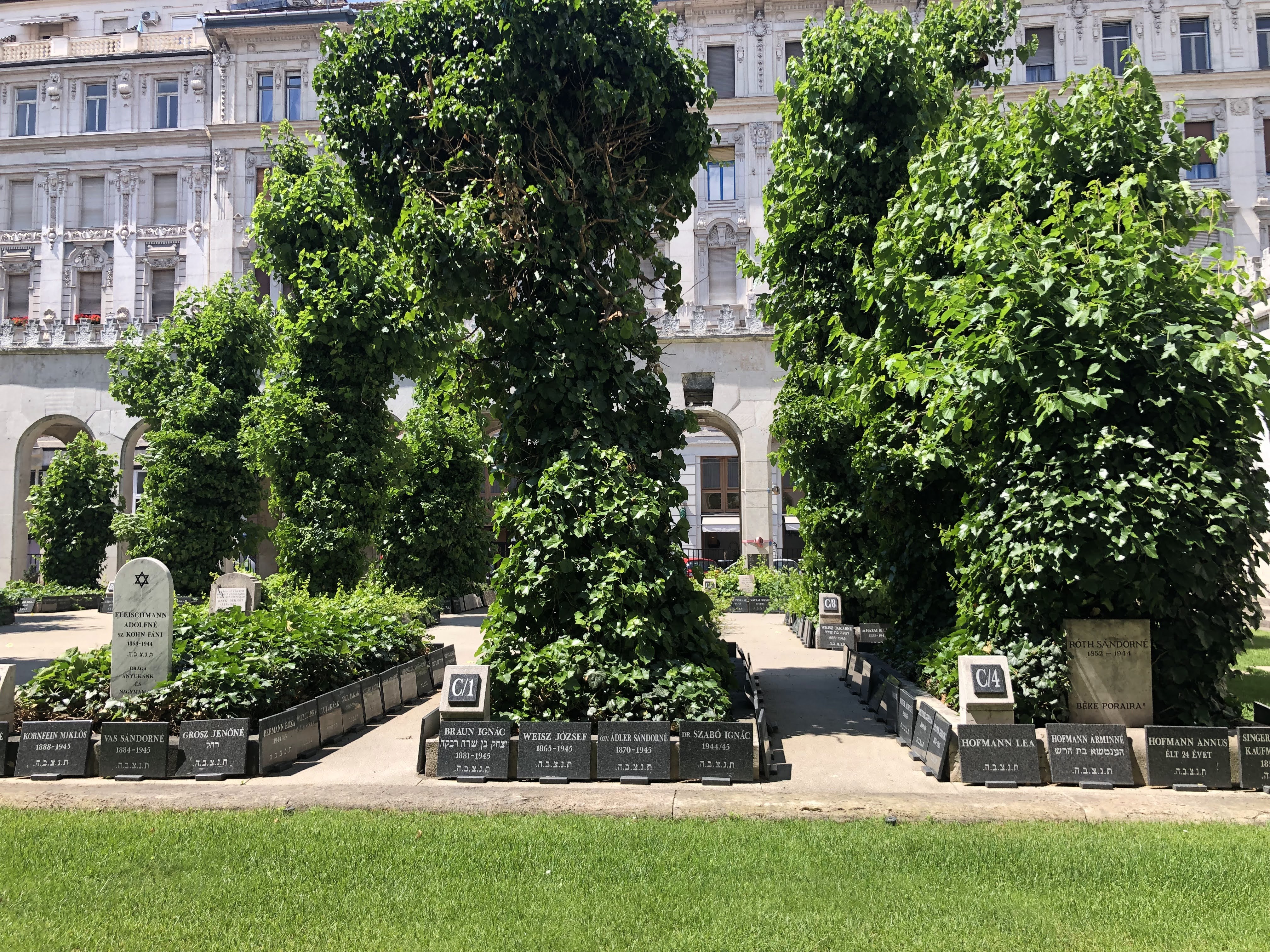
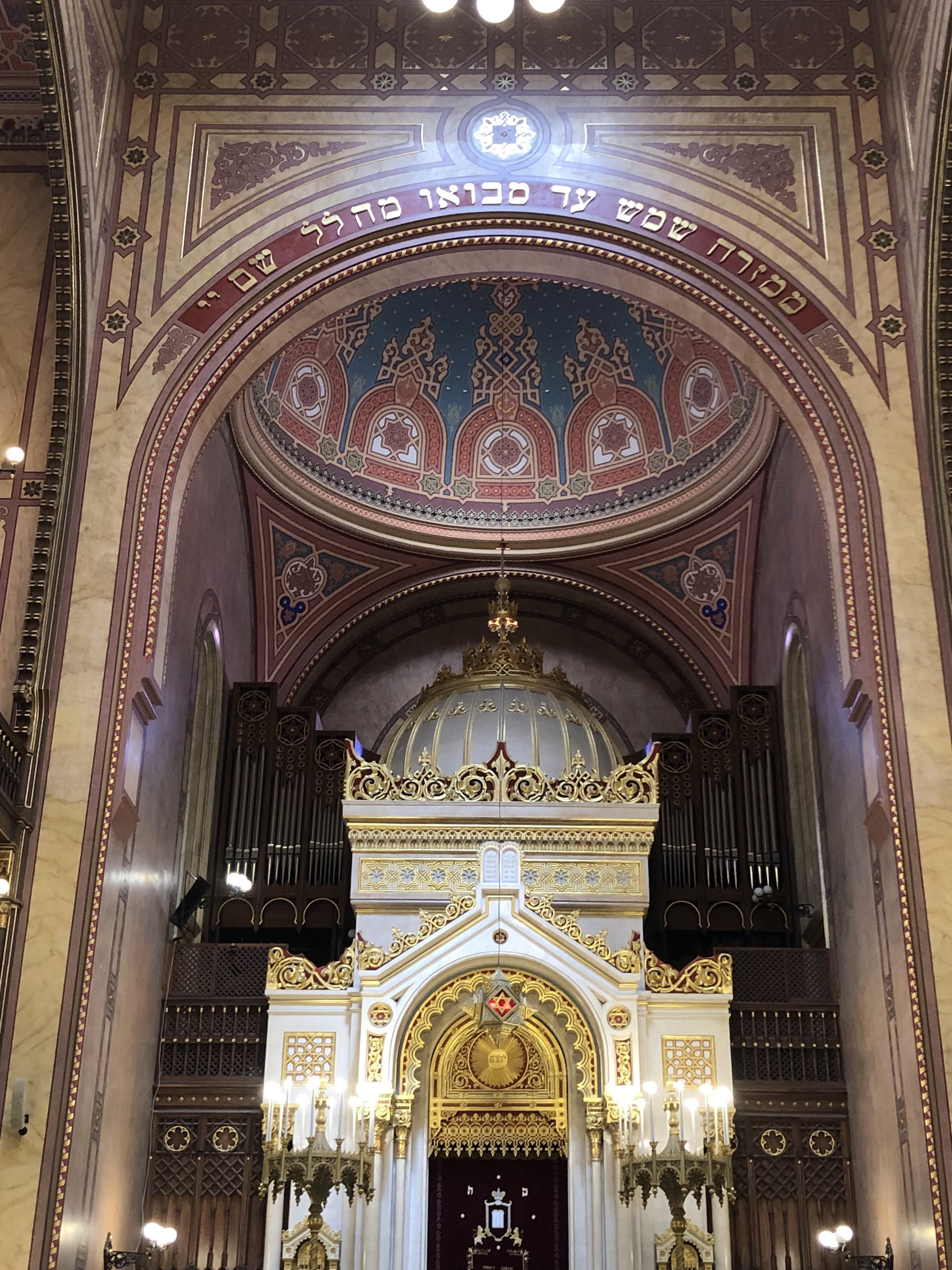
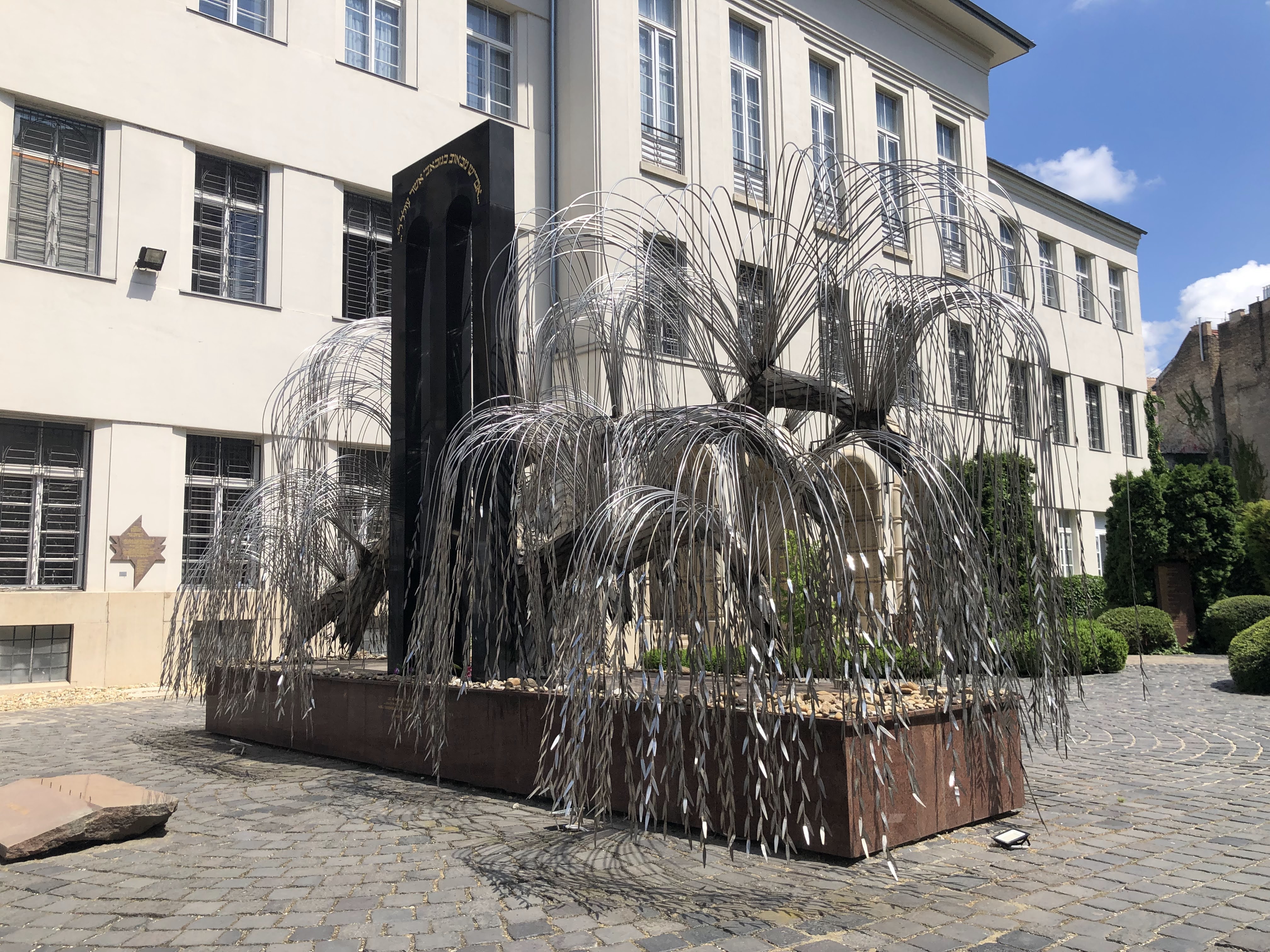
Jordan chose to go over to Palace District on the Pest side of the river, and tour the Dohány Street Synagogue. Prior to and during WWI, there was a thriving Jewish community of over 800,000 residents in this area, and part of the synagogue was constructed as a memorial to fallen Jewish soldiers who fought for Hungary in WWI. However, during WWII, these few blocks around the synagogue were turned into a Jewish ghetto, and most buildings (except, miraculously, the synagogue) were completely destroyed in bombings. It’s estimated that 1 in 10 Jewish prisoners in concentration camps, and 1 in 3 in Auschwitz specifically, were Hungarian Jews. In the final year of the war, 1944-45, around three thousand Jews were killed on the premises of the synagogue, and after prisoners were liberated from the Nazis, the central garden of the synagogue was turned into 26 mass graves, which you can see in the pictures. Overall, the Hungarian Jewish community, one of the largest in Europe before WWII, was reduced to a population of about 200,000 and hasn’t grown much since then. It was very sobering but very important to learn about this part of Budapest’s history and have a long time to spend in the synagogue and museum. The synagogue is the second-largest in the world by square area after NYC, and largest in the world by capacity.
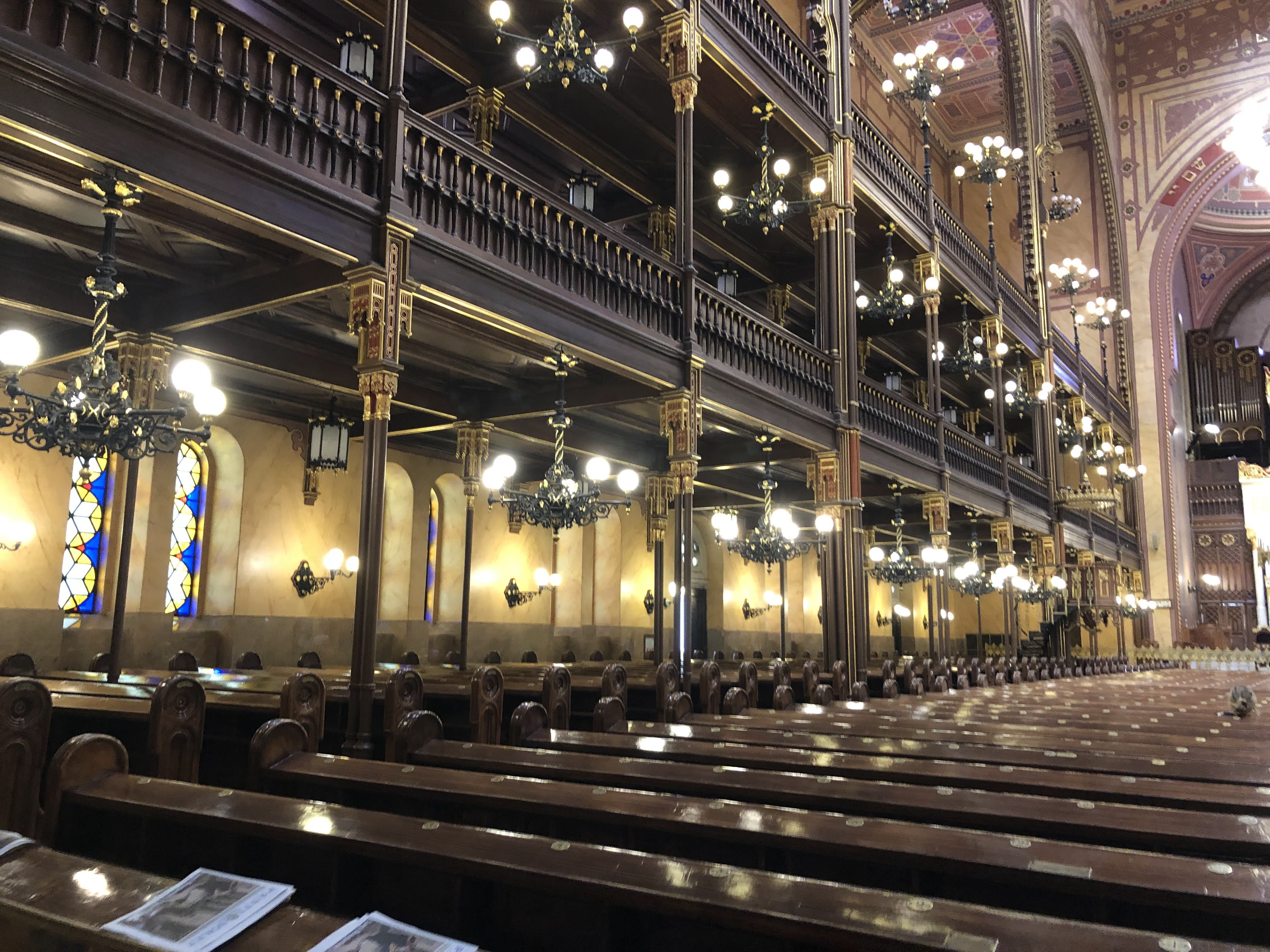
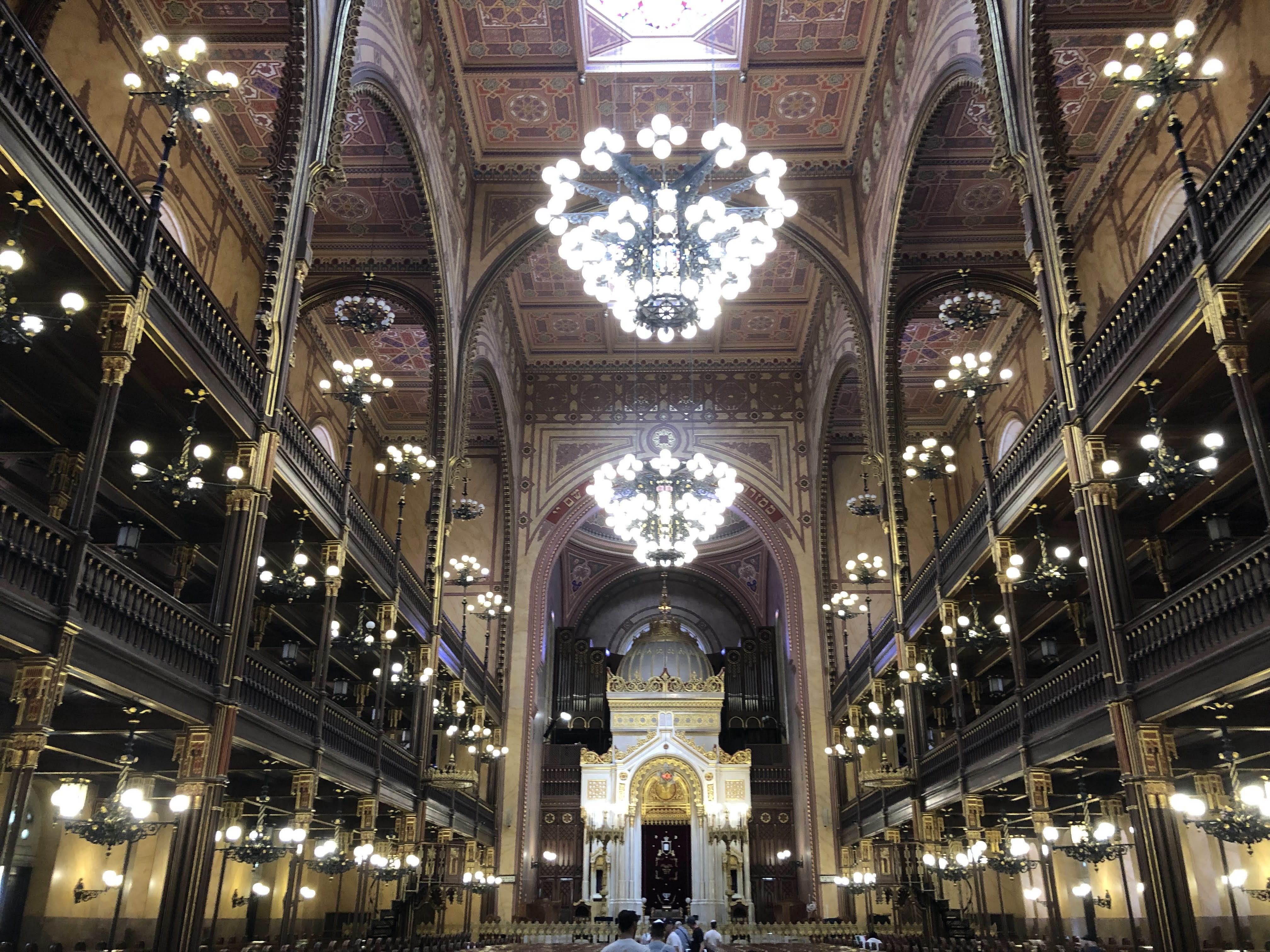
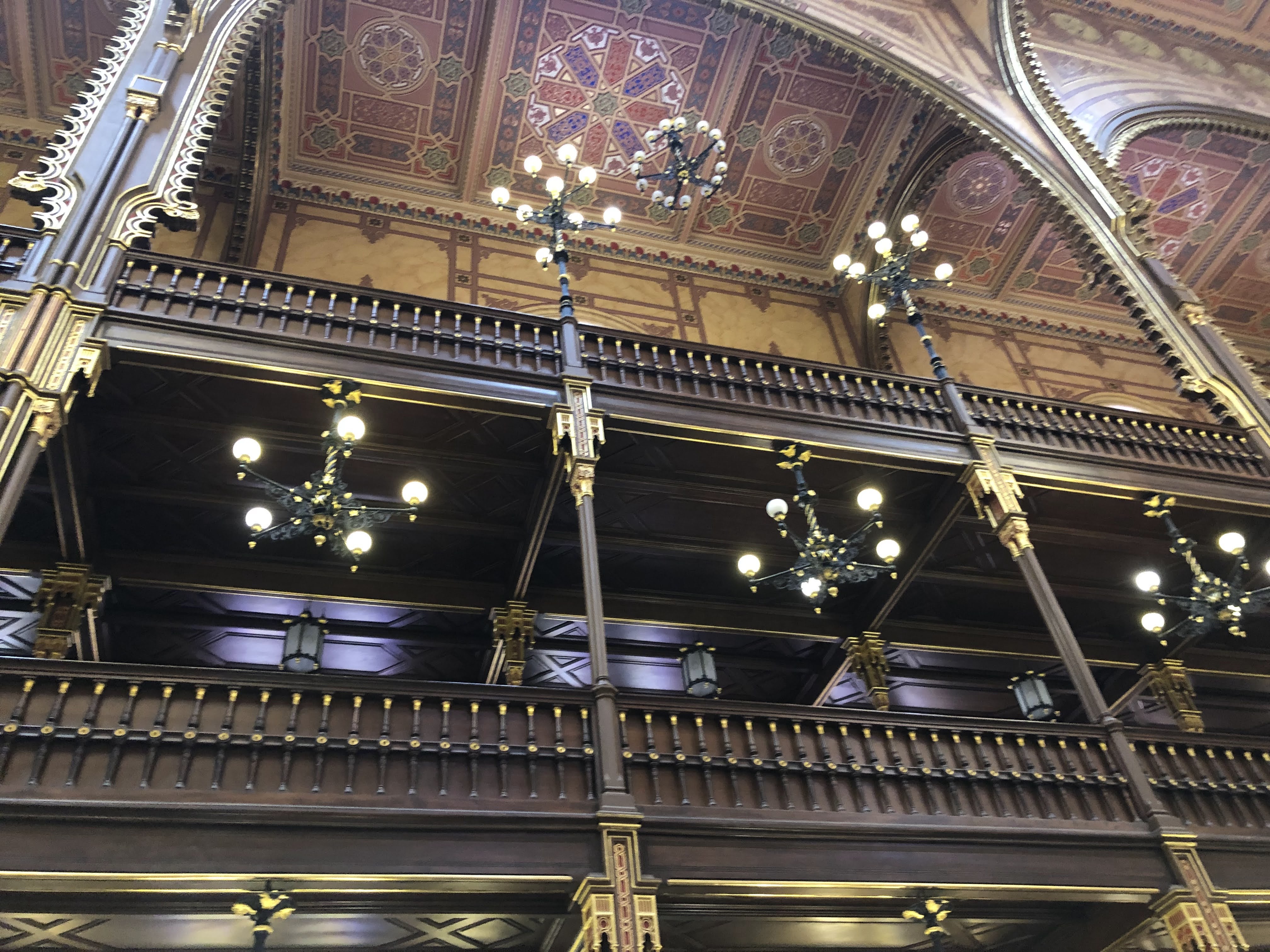
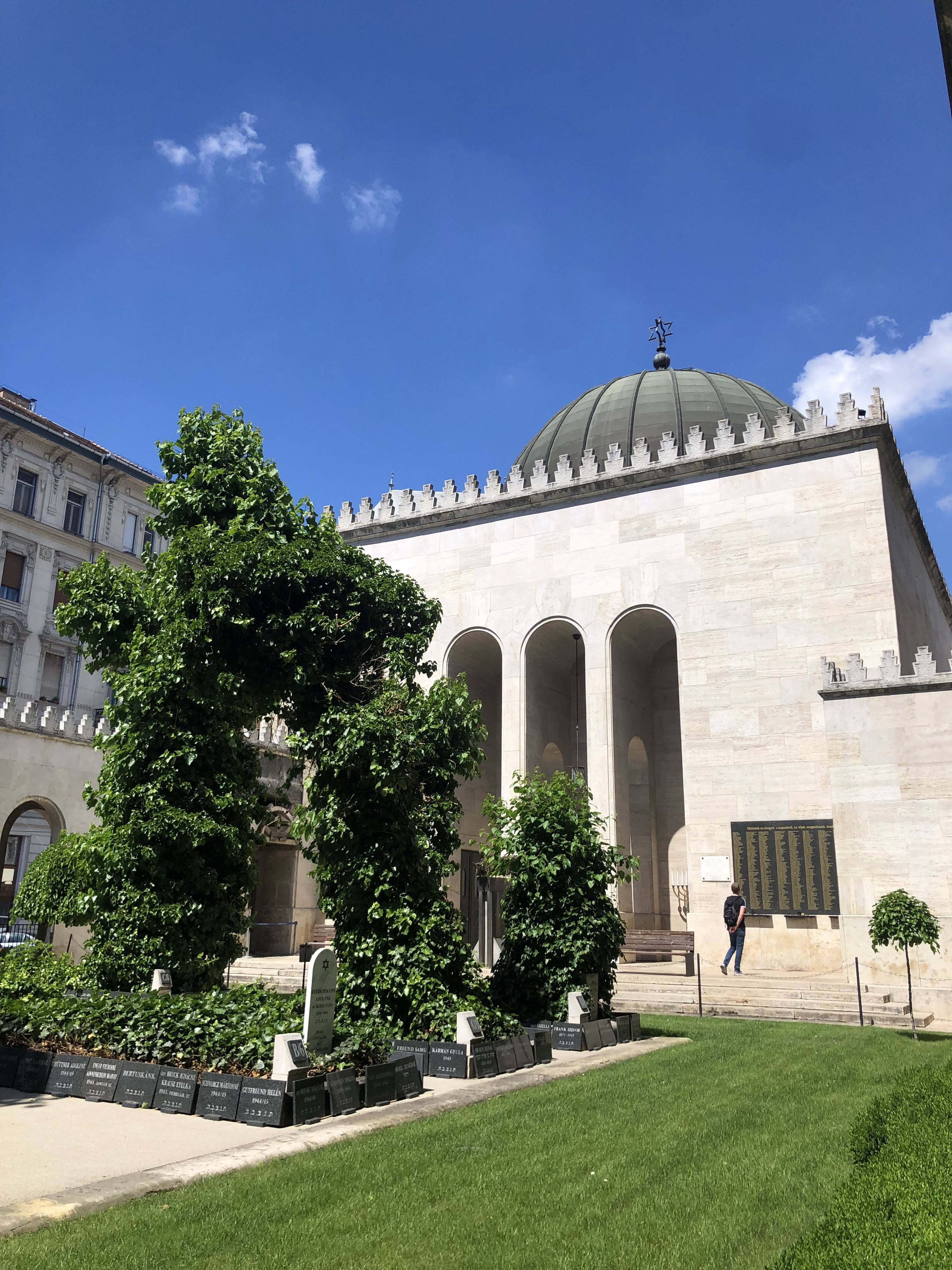
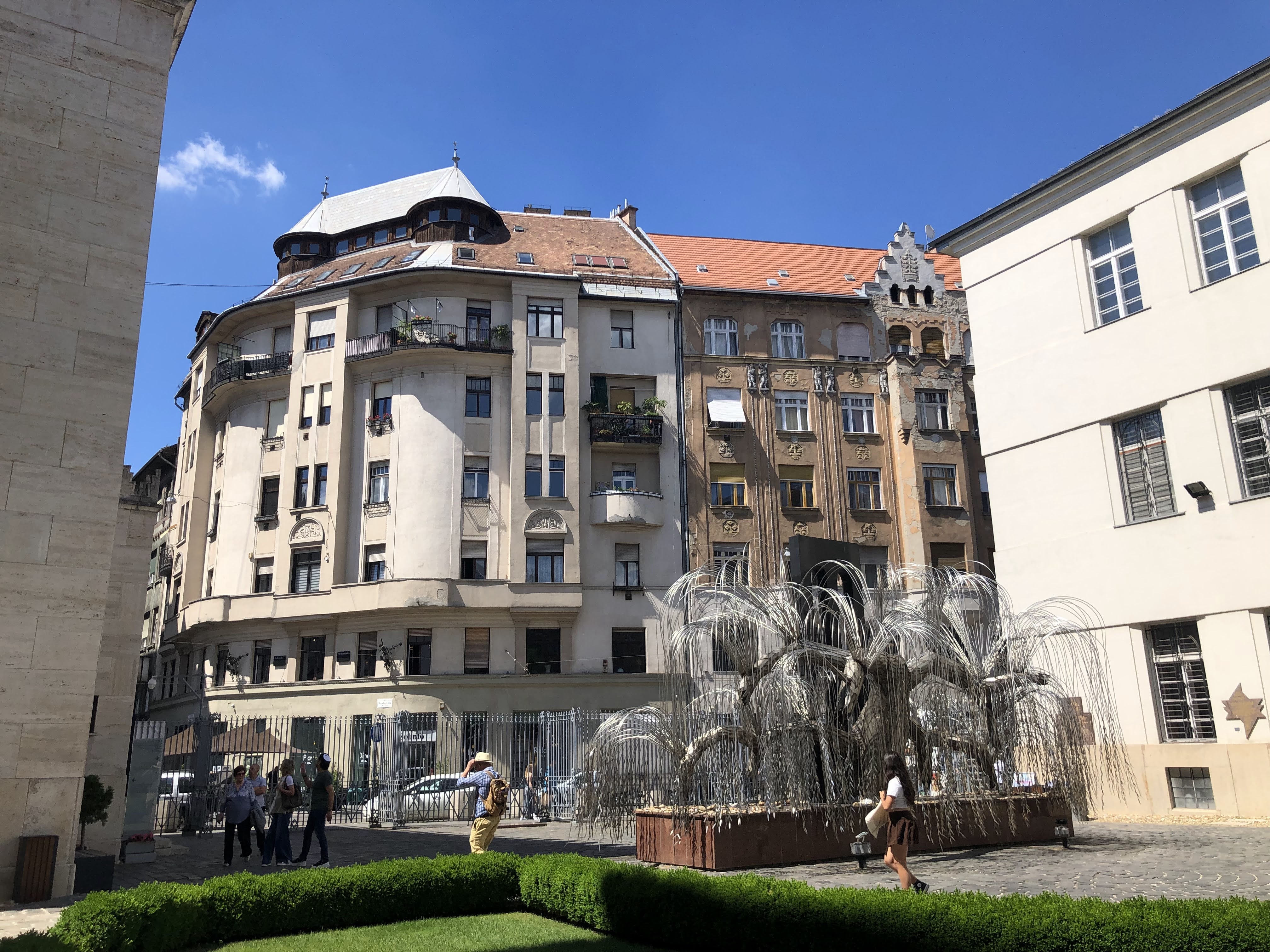
In the last photo (bottom right), you can see a silver tree made of hundreds of little metal leaves. Each of these leaves has the name of an overseas or Hungarian donor who helped fund the rebuilding of the synagogue and the burial of all the Holocaust victims.
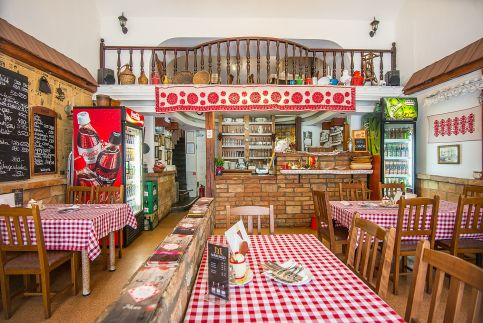
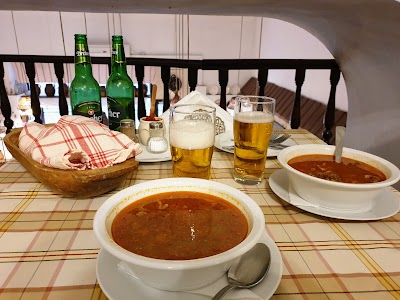
At this point we just got very tired from the 2-week marathon of traveling, and really enjoyed the opportunities to wander around our neighborhood, eat some local Hungarian food, and take walks along the river. Our flight out from Budapest to Frankfurt had us going to the airport at 3am on June 4th, and it proved to be an incredibly long travel day, as we gained time back, had a 2-hour boarding process in Germany, and missed our flight from Toronto to Saint Louis! Damn YYZ. A quiet final night in Budapest was all needed at that point, and ultimately, we really treasured the chance to have a week sight-seeing together.
 MOR'NA MILE AWEE